How is AI redefining processes, quality, and the textile supply chain?
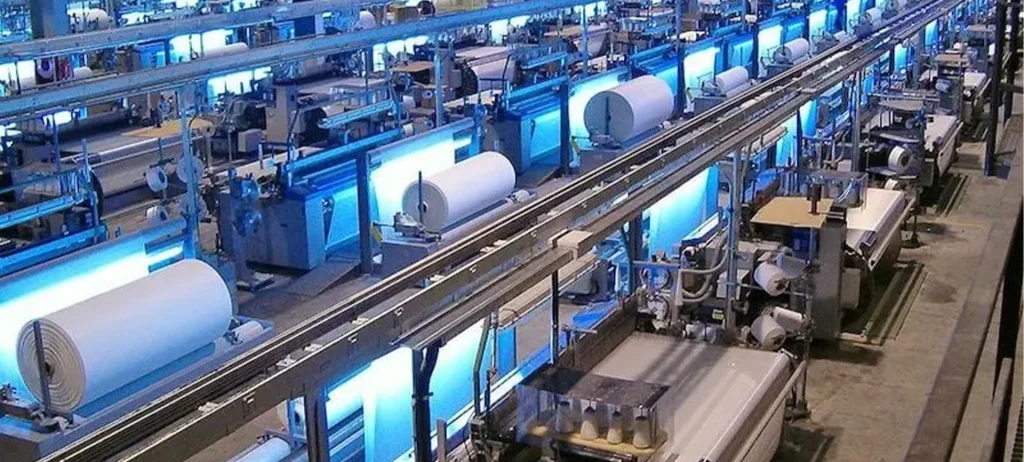
The textile industry, which has been based on traditional production processes, manual quality checks, and long supply chains for years, is now entering a new phase of transformation with the introduction of artificial intelligence. This technology not only reduces costs but also significantly improves production speed, quality, flexibility, and sustainability. In this article, we will focus on three main areas: key applications of artificial intelligence in textiles, opportunities and challenges, and finally recommendations for Iranian manufacturers and activists.
۱. کاربردهای هوش مصنوعی در صنعت نساجی
۱.۱ بهینهسازی تولید و فرآیندها
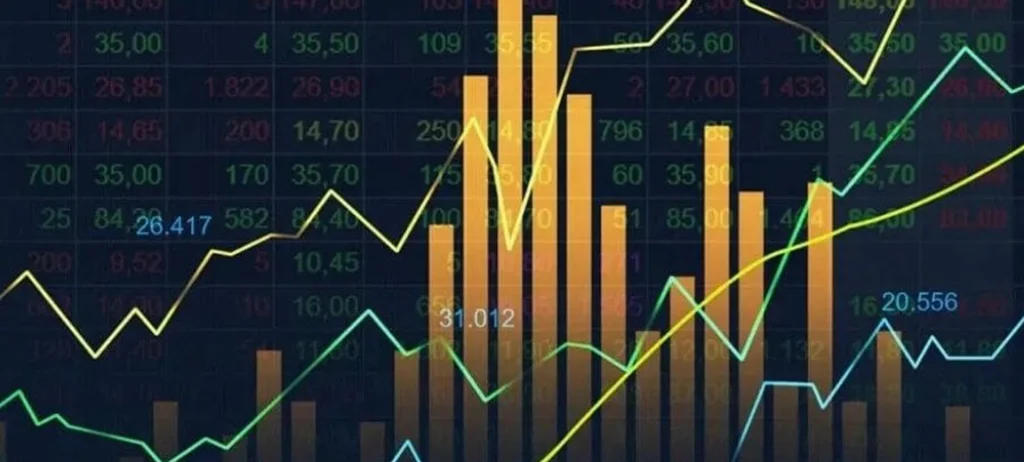
هوش مصنوعی با تحلیل دادههای تولیدی مانند سرعت ماشینآلات، میزان خطا، مصرف انرژی و مواد اولیه، امکان تصمیمگیری هوشمند را فراهم میکند. الگوریتمهای یادگیری ماشین میتوانند خرابی احتمالی ماشینآلات را پیشبینی کنند و از توقفهای ناگهانی جلوگیری نمایند.
در فرآیند بافندگی و تولید پارچه، سیستمهای بینایی ماشین مجهز به AI قادرند عیوب بافت را در لحظه شناسایی کنند؛ دقت این سیستمها به بیش از ۹۰ درصد رسیده است. این فناوری به کاهش ضایعات، افزایش کیفیت محصول و صرفهجویی در مصرف مواد اولیه کمک میکند.
۱.۲ طراحی و توسعه محصول هوشمند
هوش مصنوعی روند طراحی محصولات را متحول کرده است. با تحلیل دادههای بازار و رفتار مشتریان، میتوان الگوها، رنگها و بافتهایی را طراحی کرد که بیشترین تطابق را با سلیقهٔ مصرفکننده دارند.
AI همچنین به طراحان کمک میکند طرحهای خلاقانهتر و کارآمدتری ایجاد کنند. در بسیاری از کارخانههای مدرن، فرآیند طراحی پارچه تا ۴۰ درصد سریعتر و دقیقتر شده است.
۱.۳ زنجیره تأمین، لجستیک و فروش
از خرید مواد اولیه تا تحویل کالا به مشتری، هوش مصنوعی نقشی اساسی در بهینهسازی زنجیره تأمین دارد. با پیشبینی تقاضا، بهینهسازی انبار و مدیریت هوشمند لجستیک، زمان تحویل کاهش مییابد و موجودی انبار به شکل مؤثرتری کنترل میشود.
AI در مدیریت رنگرزی و کنترل کیفیت مواد خام نیز به کار میرود و مصرف آب و مواد شیمیایی را تا حدود ۲۰ درصد کاهش میدهد. نتیجهٔ نهایی، کاهش هزینهها و افزایش بهرهوری است.
2. Opportunities and Challenges
2.1 Opportunities
افزایش کیفیت و تنوع محصول: با استفاده از هوش مصنوعی میتوان محصولات متنوعتر، زیباتر و با کیفیت بالاتری تولید کرد.
Reducing costs and waste: Precise control of processes reduces energy and raw material consumption.
Environmental sustainability: AI optimizes resource consumption and enables greener, more environmentally friendly production.
Increased competitiveness: Companies that leverage AI earlier than their competitors gain a sustainable competitive advantage.
2.2 Challenges
High initial costs: Implementing artificial intelligence technologies requires investment and technical infrastructure.
Data Quality: AI cannot function without accurate and structured data. Data collection and cleansing are a significant challenge.
Shortage of skilled labor: Successful implementation of AI projects requires data experts and software engineers.
Cultural and organizational compatibility: The shift towards data-driven decision-making requires culture building in organizations.
3.Recommendations for Iranian Textile Manufacturers
1. Start with small, targeted projects: Start with areas such as quality control or predictive maintenance.
2. Data management: Record and analyze production, energy, and waste data regularly.
3. Collaborate with science and technology centers: Universities and knowledge-based companies can help reduce costs and increase project accuracy.
4. Focus on sustainability: Incorporate the use of artificial intelligence to reduce water and chemical consumption and improve recycling into your strategy.
5. Human resource training: Personnel should be familiar with the principles of working with digital and data-driven systems.
4.Conclusion
Artificial intelligence is becoming the beating heart of the textile industry. This technology is leading the industry from relying on traditional methods to smart, fast, high-quality and environmentally friendly production.
In Iran, despite challenges such as investment costs and limited skilled labor, there is a huge opportunity. Iranian manufacturers can strengthen their position in the domestic and regional markets by moving towards digitalization, using data and smart technologies.